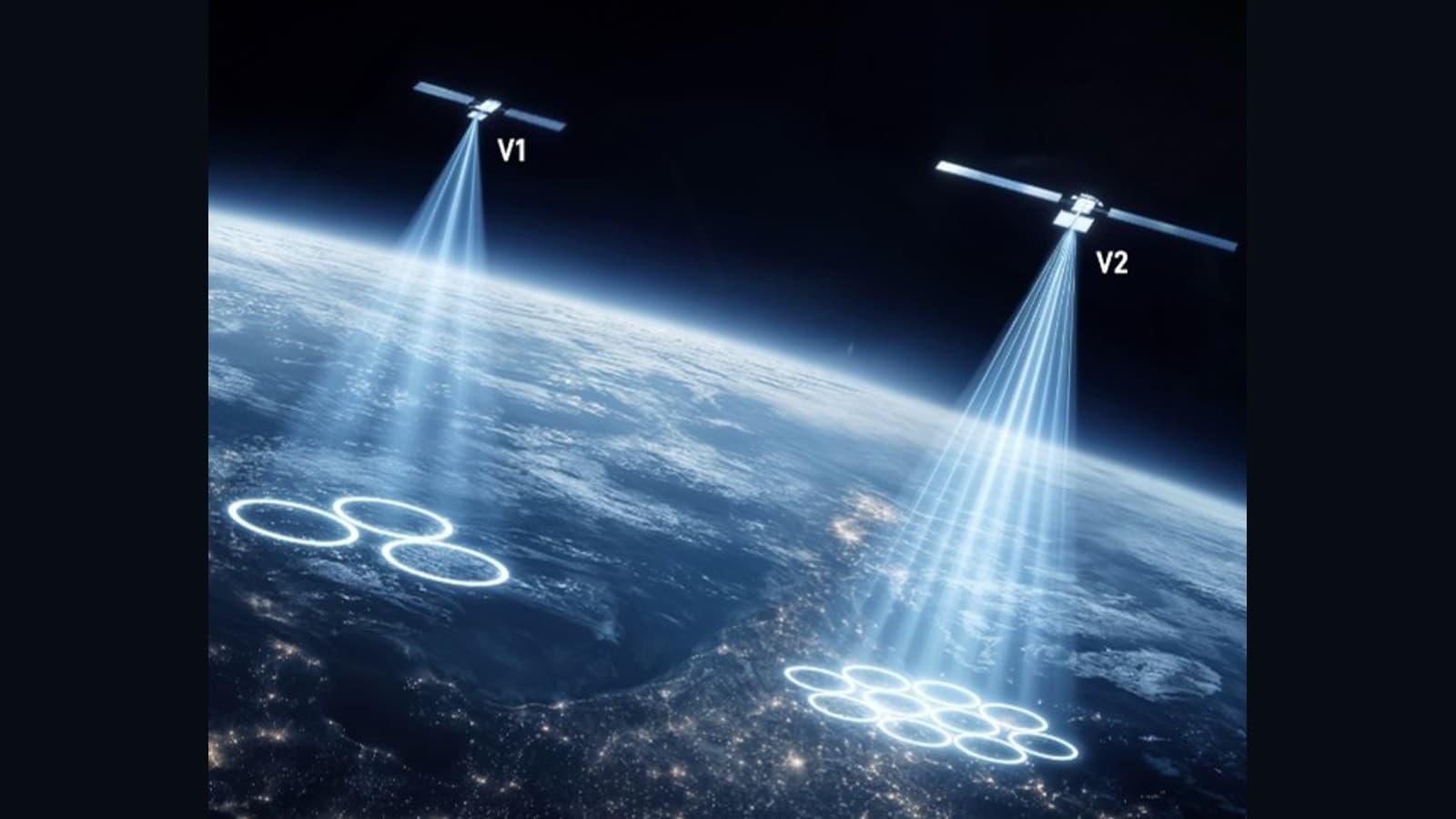
SpaceX has delivered its first 26 Starlink V3 satellites to orbit using Starship, giving the company's next satellite generation a launch of its own.
The deployment happened during Starship Flight 14 on September 28, the vehicle's first orbital flight.
SpaceX says it made contact with all 26 satellites after deployment through laser links, ground stations, and user terminals. The spacecraft will complete checkouts and raise their orbits before beginning customer service.
That last step matters. Successfully placing satellites in orbit doesn't mean their full capacity is available to subscribers the same day.
The flight also involved engine issues. SpaceX says the upper stage compensated for an early vacuum-engine shutdown, subsequently entered orbit, and deployed the payload.
The team then chose to shorten the orbital portion of the mission as a precaution. Starship performed a deorbit burn and splashed down in the Pacific, according to the mission report.
For Starlink, the important result is a successful delivery by a launch vehicle intended to carry a different class of satellite from the familiar Falcon 9 batches.
Our Gen2 satellite background explains the earlier generation. Readers following deployment can also use the launch statistics reference, while keeping launches separate from working satellites.
The r/spacex thread sharing deployment footage gives readers a place to discuss the views. It doesn't supply an independent measurement of the new satellites' customer performance.
A successful first batch is a useful milestone, but the service impact still depends on the checkouts and subsequent deployment pace. Those are the next steps between an orbital demonstration and more capacity where customers need it.