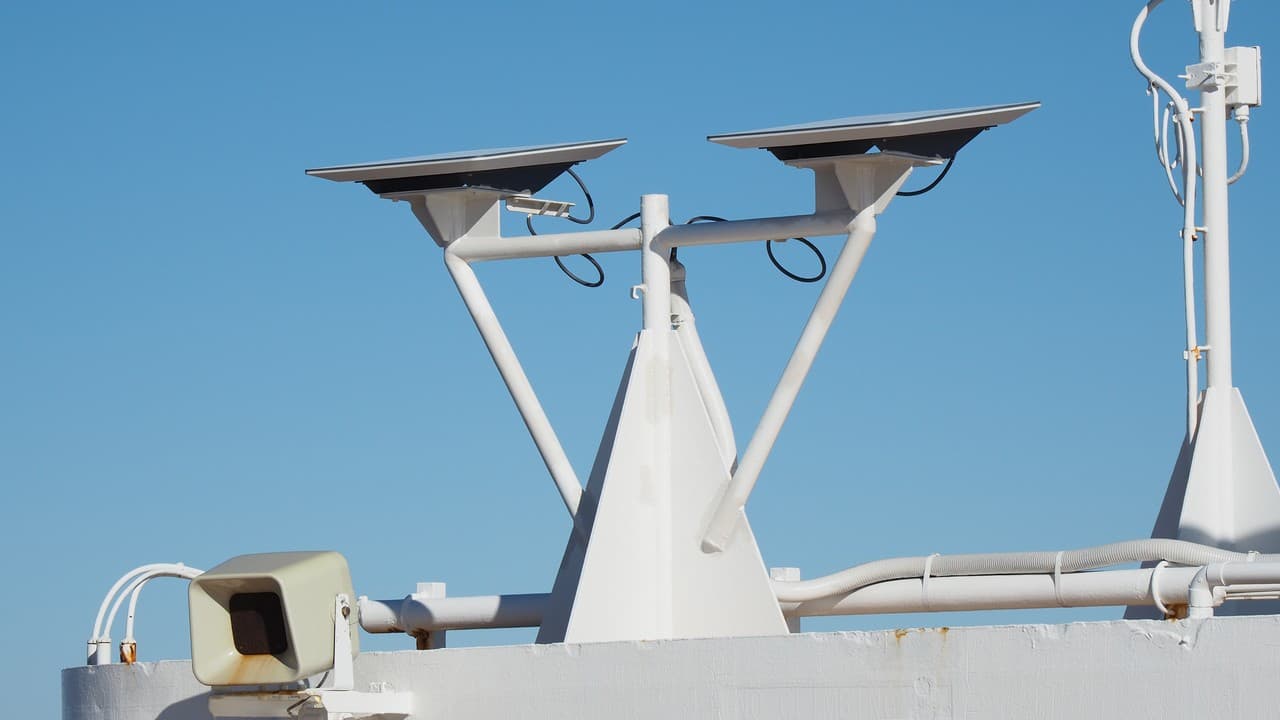
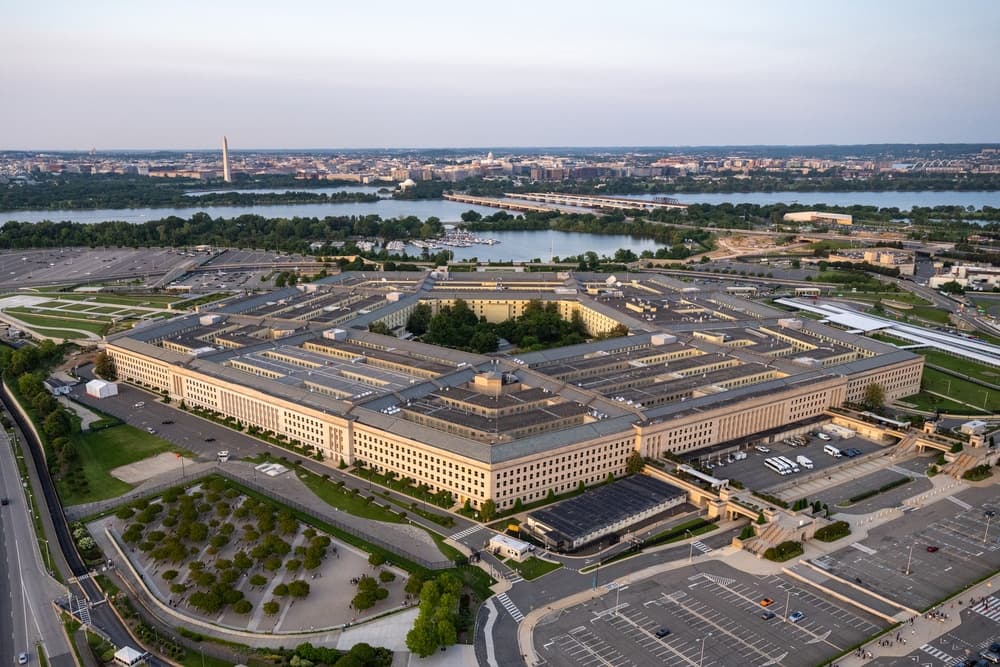
The Pentagon’s inspector general has declined a bipartisan request to investigate restrictions on Starlink and Starshield services in Ukraine, leaving lawmakers’ questions about who authorized the changes unanswered.
In an October 27 response, Inspector General Platte Moring directed senators to the Air Force and Space Force instead. He said those services were better placed to address their questions and coordinate the department’s response.
Nine senators, led by Jeanne Shaheen and Thom Tillis, had requested an investigation on October 15. They wanted to know who directed or implemented the restrictions, whether they complied with government contracts, and whether Ukraine and affected American personnel received advance warning.
The distinction matters for military users. Their concern is whether a communications service can be changed without warning, and who is responsible when that happens.
The request also covered reported problems with intelligence sharing and air-raid warnings. The senators asked investigators to establish whether those incidents were connected to the satellite restrictions, rather than treating a connection as proven.
Shaheen has called for an independent review. The inspector general’s office, meanwhile, hasn’t ruled out revisiting its decision. Spokeswoman Mollie Halpern said: “Should new information come to light, we may reconsider.”
This doesn’t end every congressional inquiry. Senator Richard Blumenthal opened a separate investigation on October 22, seeking documents and answers from SpaceX and the Defense Department. His letter to Elon Musk requested written answers by November 5.
Referring the questions to the military services isn’t a finding about who caused the restrictions. It also doesn’t establish that either service has opened an investigation of its own.