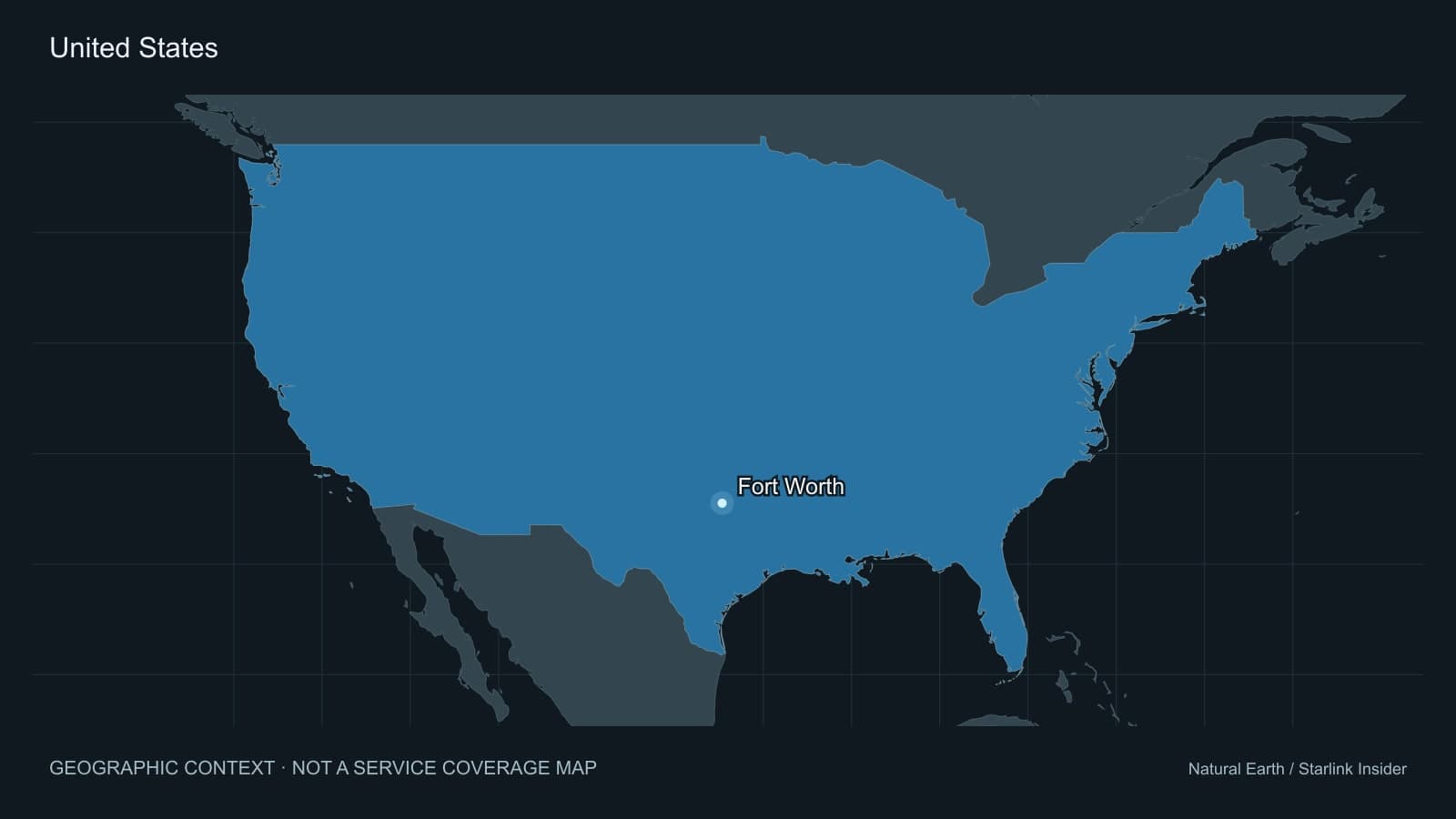

SpaceX wants Starlink Mobile to work inside buildings, too. On October 8, the company announced an agreement to acquire nationwide low-band spectrum as part of that plan.
The deal covers up to 14 MHz of paired spectrum in the 800 MHz band, according to SpaceX's announcement.
The seller, Grain Management, says SpaceX will acquire its entire nationwide 800 MHz portfolio. The transaction still needs FCC approval and must meet other closing conditions.
Interestingly, Grain only acquired that portfolio from T-Mobile in August. The proposed sale would therefore put those airwaves into different hands again just a few months later.
Coming back to Starlink: the company plans to combine its satellite network with infrastructure on the ground. SpaceX says the low-band spectrum would help signals pass through obstacles such as walls, complementing its 2 GHz spectrum.
That last part matters. SpaceX is describing a network that uses both satellites and terrestrial equipment. The announcement doesn't demonstrate that a satellite alone can deliver reliable service deep inside any building.
It's a much broader ambition than the early Direct to Cell service we covered, which began with the problem of connecting ordinary phones outside mobile coverage.
SpaceX also said the FCC had approved a next-generation Starlink Mobile constellation of 15,000 satellites. Permission to launch them is a separate milestone from having the network deployed and available to customers.
The company now sees a path toward becoming a major U.S. mobile carrier. Whether it can turn that ambition into a service people choose for everyday use remains the bigger question.
After all, filling a dead zone and replacing someone's main mobile subscription are different purchasing decisions. A primary service has to be useful at home, at work, and along the routes people travel every day.
There is a separate carrier partnership to watch as well. Japan's KDDI announced an agreement for Starlink Mobile V2 in September, targeting service by the end of 2027.
Readers are already debating the practicalities in r/cellmapper's discussion of the deal. Questions about the airwaves and the ground network are useful ones; the thread's predictions about future acquisitions remain speculation.
For now, the spectrum announcement doesn't include a consumer plan price or a launch date for the proposed U.S. network. Those are the details that will make a comparison with an existing mobile plan possible.