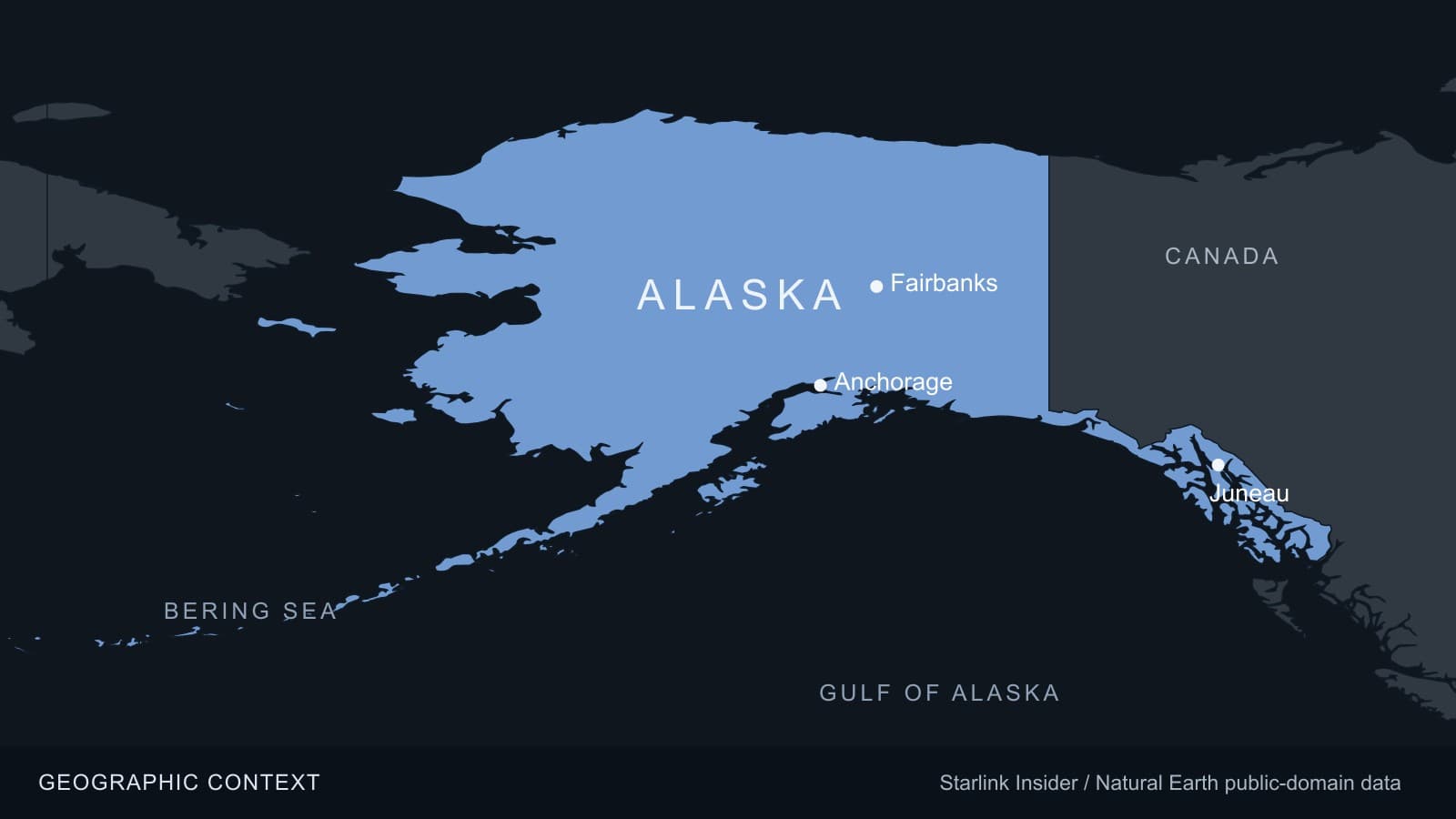
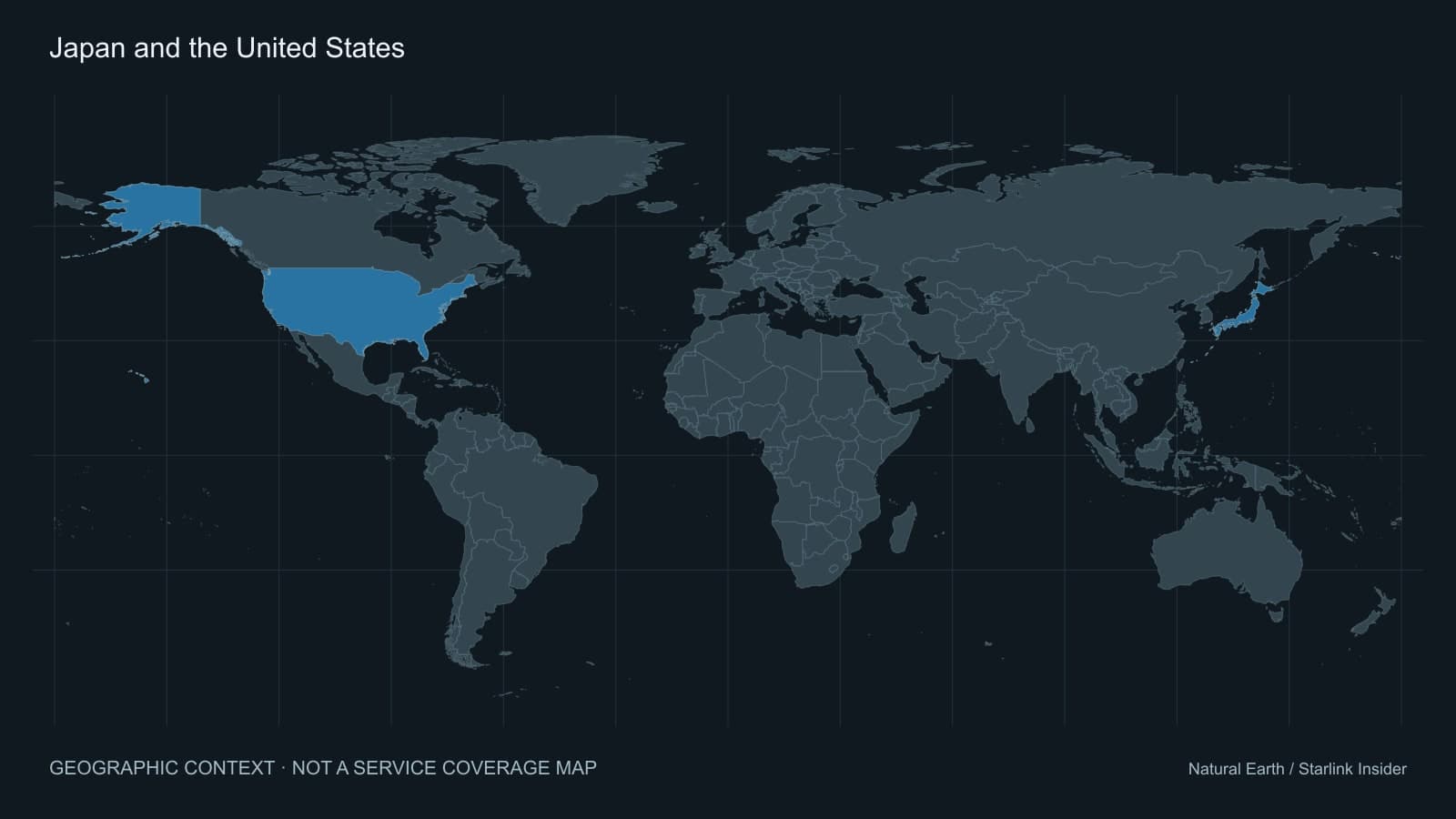
Japanese travelers with au Starlink Direct are getting another option when their phones lose terrestrial coverage in the United States.
KDDI announced satellite roaming on March 4, using T-Mobile's T-Satellite with Starlink service in supported U.S. areas.
Initial compatibility covers the Pixel 9 and Pixel 10 families. KDDI says additional devices will follow, so owning an au subscription alone doesn't establish that a phone can connect.
Customers need current device software and roaming enabled. Once those requirements are met, KDDI says eligible phones will connect automatically outside terrestrial coverage, showing T Mobile SpaceX-au on screen.
The supported functions include messaging and satellite-ready applications such as WhatsApp. Voice through a supported app should be distinguished from an ordinary call placed through the phone's dialer.
That's an important point for anyone reading about Direct to Cell for the first time. Different services can connect ordinary phones to satellites while still supporting different applications and functions.
It also differs from Starlink Roam, where a separate terminal supplies a Wi-Fi connection to nearby devices. The roaming announced here concerns a carrier subscription and a compatible smartphone.
For a visitor heading beyond a city's cell towers, fewer setup steps could be useful. But a backup connection still needs to work with the phone and applications that person has brought along.
KDDI describes the launch as the first cross-border roaming service of this kind. Its immediate value will depend on compatibility and the supported satellite areas, rather than that first-place label.
Travelers should check those details before departure. The service isn't a promise that every phone application will behave as it does on a normal mobile network.