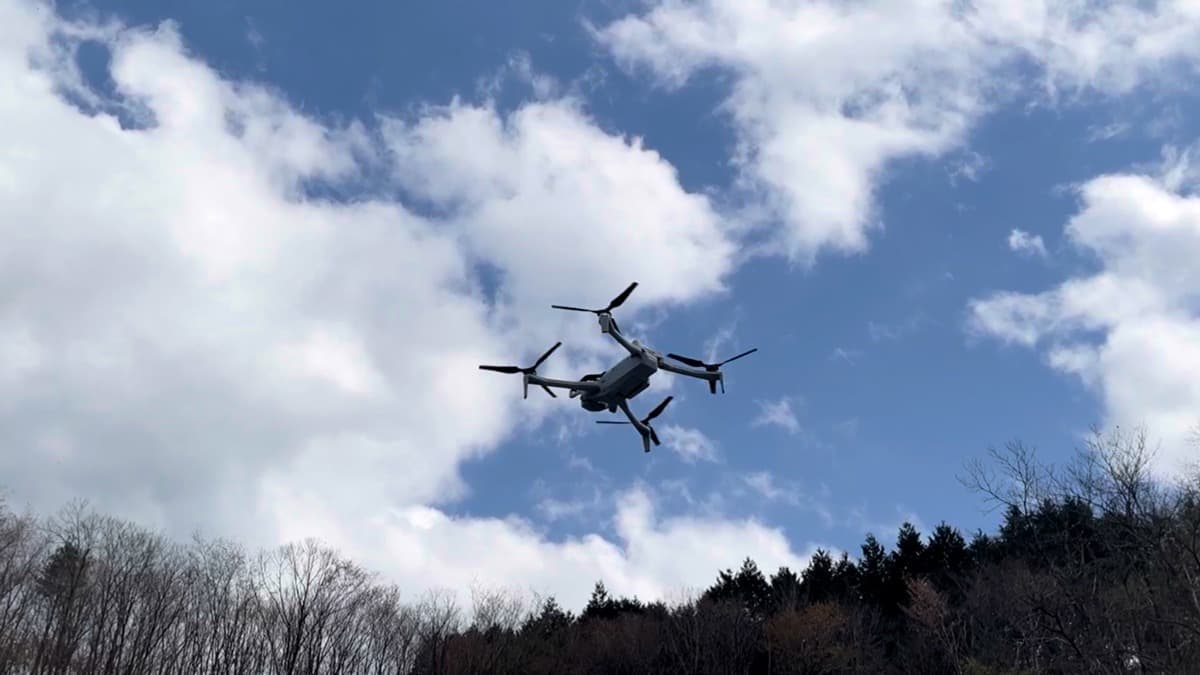
KDDI and KDDI SmartDrone have demonstrated drone control through au Starlink Direct in an area without terrestrial mobile coverage.
The companies announced the result on July 22. The actual test took place on May 18 in Takahagi, Ibaraki Prefecture, with Starlink's approval.
During the demonstration, the aircraft exchanged flight-control signals and telemetry through the satellite connection. KDDI describes it as Japan's first flight-control demonstration using a direct Starlink Mobile connection to a drone.
The announcement doesn't say that a consumer drone can now use the service without further work. This was a test of a particular setup, with more validation planned.
We've mostly covered Direct to Cell in the context of smartphones. Drone control shows another possible use for a connection carrying relatively small amounts of important data.
It also differs from putting a conventional Starlink terminal beside a pilot on the ground. In this demonstration, the satellite link was part of the aircraft's own communications path.
KDDI names disaster assessment, mountain searches, and infrastructure inspections as potential applications. Those are proposed uses, rather than completed deployments established by this test.
The company says further work will examine how terrestrial and satellite links can be combined, including handovers and remote operations beyond visual line of sight.
That handover is a practical issue. A drone moving out of mobile coverage needs a dependable way to keep exchanging its control information as conditions change.
KDDI's planned satellite SOS center addresses a different part of the same broader effort to communicate beyond cell towers.
For drones, the next step is proving that the connection can support repeatable operations, rather than just one successful flight.