SpaceX has received permission to add another 7,500 second-generation Starlink satellites, bringing its authorized Gen2 system to 15,000 spacecraft.
The FCC announced the decision on January 9. That figure is an authorization ceiling, so it shouldn't be confused with the number of working satellites already above us.
The approval also allows additional orbital shells between 340 km and 485 km and operation across Ku, Ka, V, E, and W bands.
For readers following our earlier coverage of SpaceX's request for lower Starlink orbits, this is a more concrete step toward the network the company wants to build.
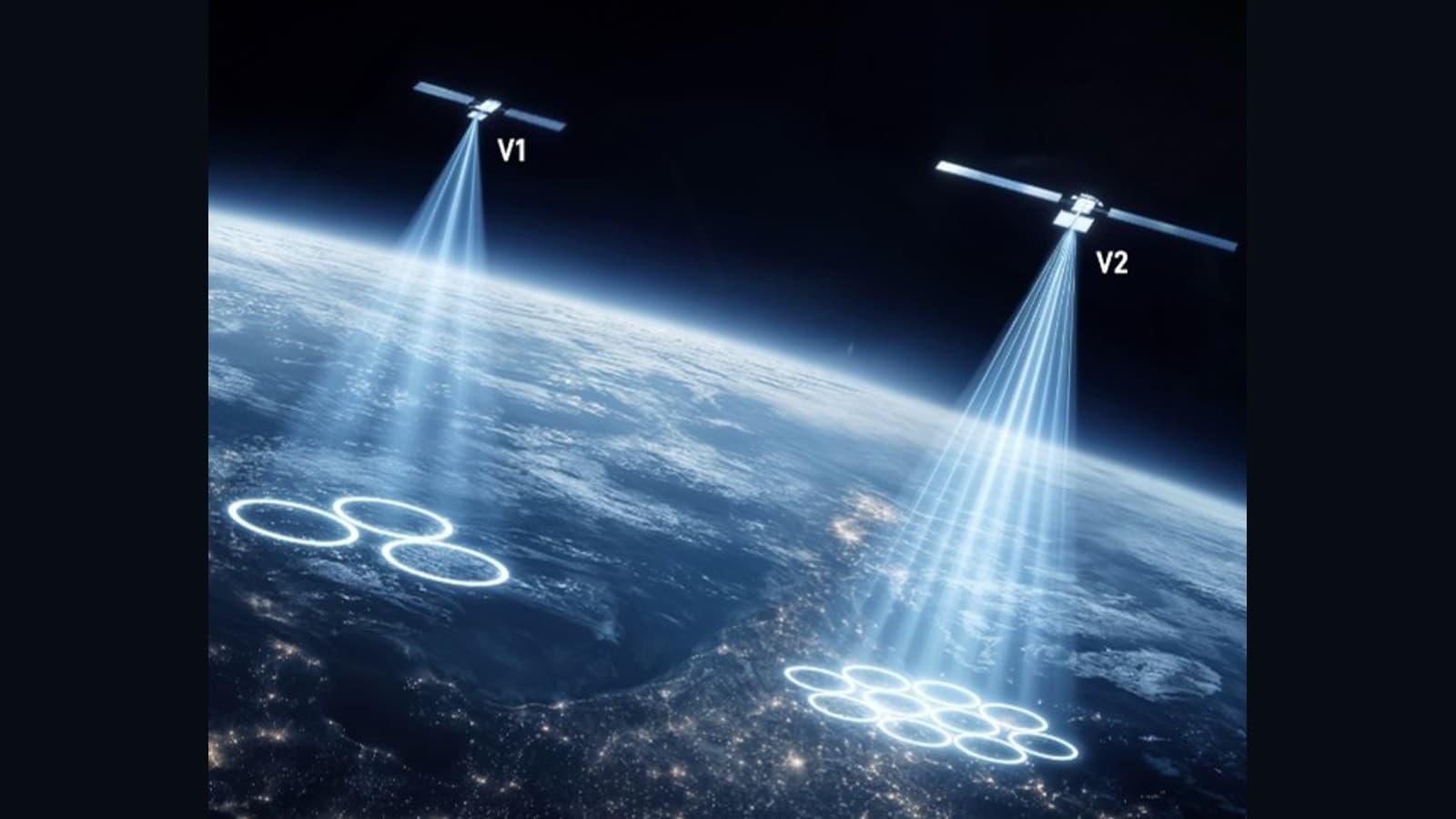
A lower orbit shortens the distance a signal travels. More spectrum also gives SpaceX additional ways to carry traffic, although neither change tells us what a particular household will get on a busy evening.
We've previously covered E-band approval for the next generation. The new decision brings a larger satellite allowance together with changes to how the system can operate.
The FCC also describes support for direct-to-cell service outside the United States and supplemental coverage within it. Our Direct to Cell explainer covers why that differs from connecting a dish at home.
In the r/spacex discussion, readers are debating which parts of the approval could add the most capacity. Those are expectations, rather than results from the newly authorized network.
SpaceX still has to build and launch the spacecraft. Permission creates room for expansion; the deployment schedule will determine when customers benefit.